


Hair loss has science-backed solutions
Male pattern baldness, thinning hair, and skin conditions are treatable. We offer protocols with clinical evidence behind them and manage them as part of your overall health care.
Evidence-based hair loss treatment
Finasteride, minoxidil, and combination protocols with real clinical evidence behind them. Not supplements, not snake oil.
Starting earlier helps
Starting earlier gives treatment more to work with, since it is better at keeping hair than regrowing it. We make it easy to start quickly.
Skin condition management
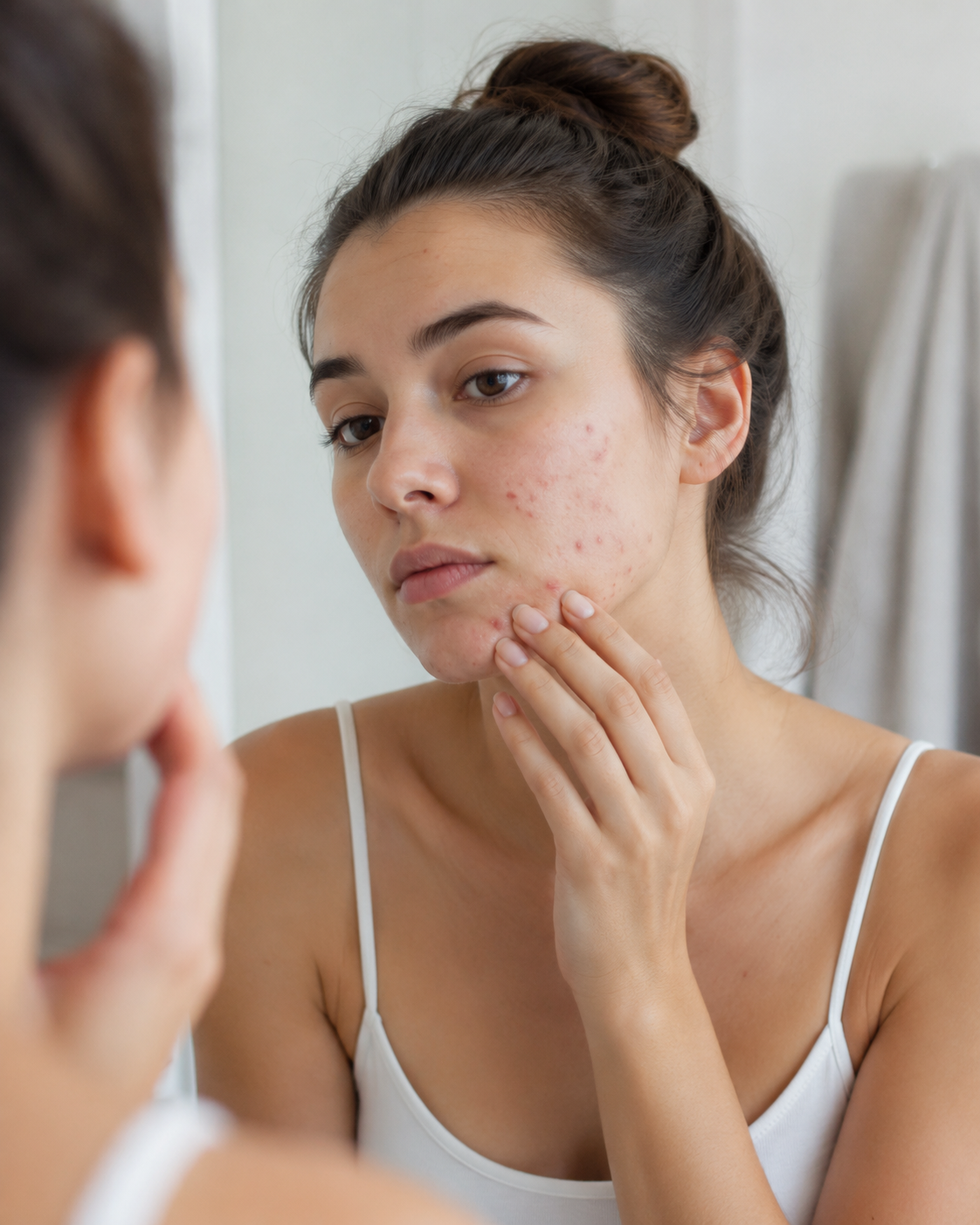
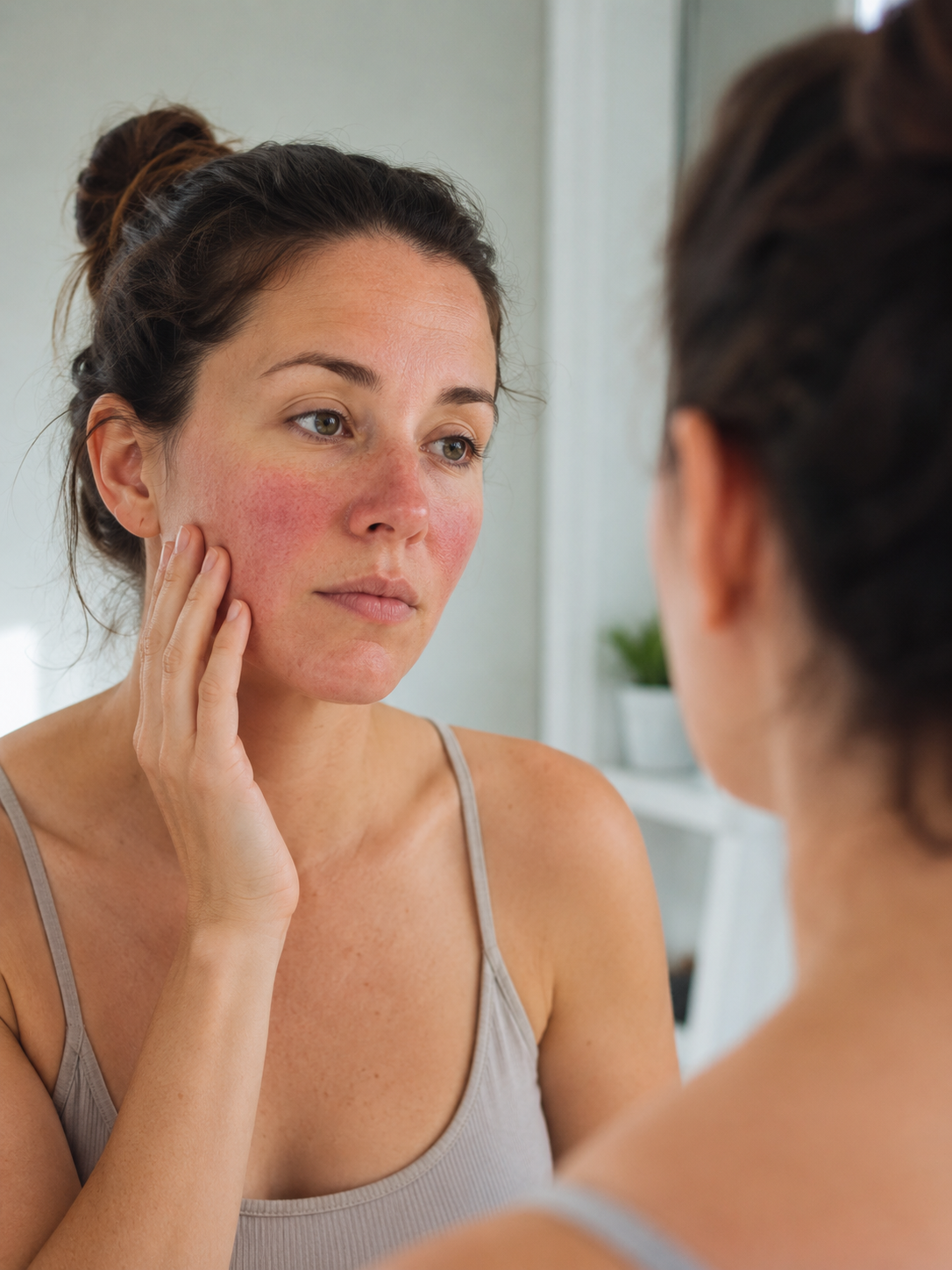
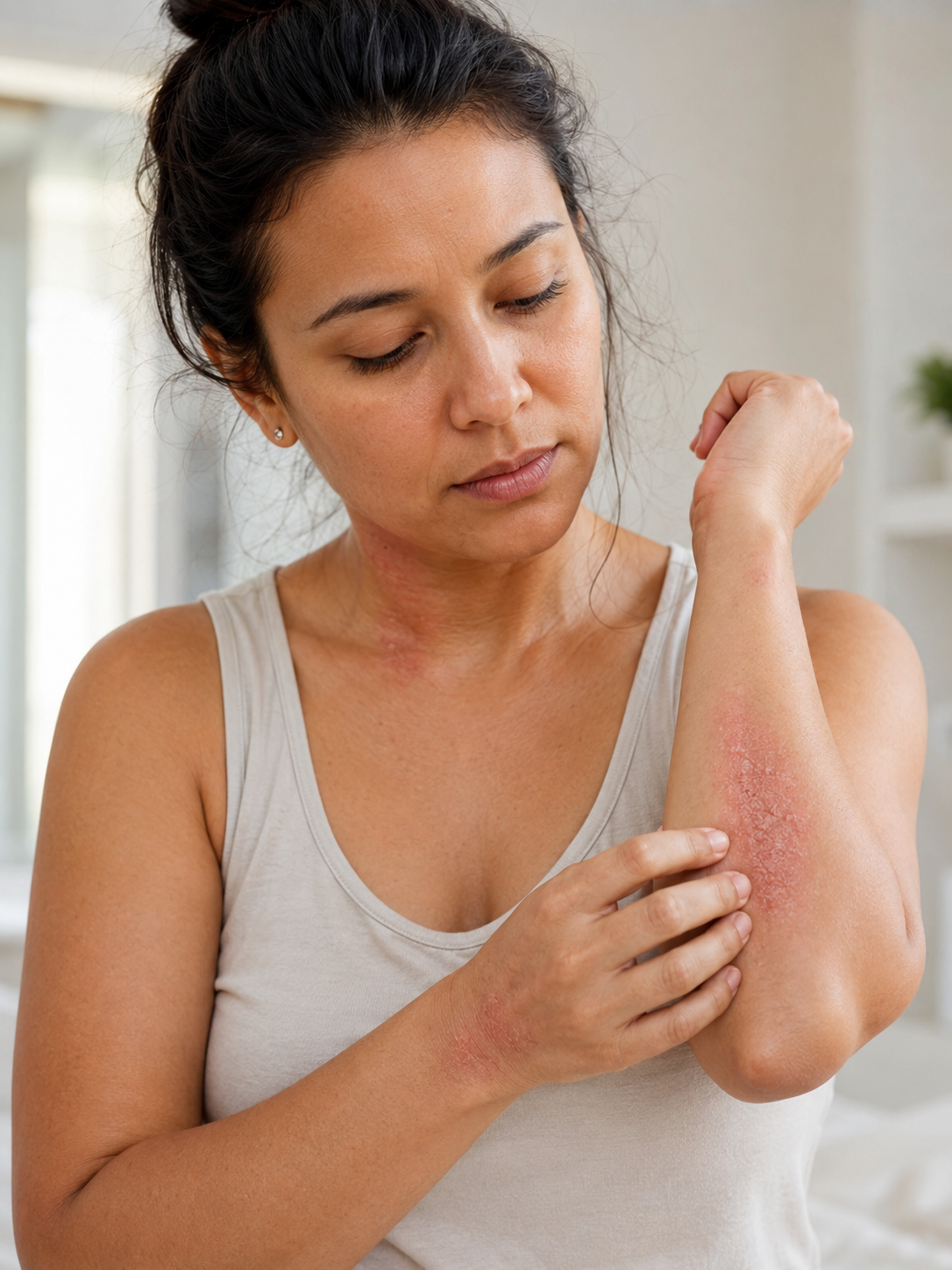
Common dermatological conditions managed by your primary provider. Acne, rosacea, seborrheic dermatitis, and more.

Male pattern hair loss: what the evidence shows
Androgenetic alopecia (male pattern baldness) is driven by DHT binding to hair follicles. Finasteride blocks this process and, in clinical trials, halted further loss in most men who took it, with regrowth in many. Combining it with topical minoxidil improved results in studies. Individual results vary. We evaluate your hair loss, discuss the options and the risks, and prescribe what's clinically appropriate for you.
Get startedSkin conditions deserve proper management
Acne, rosacea, seborrheic dermatitis, and eczema affect quality of life in ways that are easy to underestimate. As your primary provider, we manage common skin conditions, prescribe topical and oral treatments when appropriate, and refer to dermatology when the situation warrants it.

Your path to better health
Hair loss evaluation
We review your hair loss pattern, timeline, family history, and current medications. Some medications cause hair loss as a side effect and are worth ruling out.
Labs if indicated
Thyroid, ferritin, DHT, and hormonal levels can contribute to hair loss. We check what's relevant to your situation.
Treatment protocol
A clear prescription plan with instructions. Follow-up in 3-6 months to assess response and make adjustments.
Let’s build your plan
Same-week telehealth across Florida. Cash pay, no insurance needed.
FAQ
More questions? Contact us.
Does finasteride have side effects?
A small percentage of men experience sexual side effects including reduced libido or erectile changes. Side effects usually resolve after stopping, but the FDA label acknowledges reports of sexual side effects that persisted after discontinuation, as well as reports of depressed mood. We review the full label with you honestly before prescribing so you can make an informed choice.
How long does hair loss treatment take to show results?
In clinical trials, initial changes were typically seen around 3 to 6 months, with maximal effect near 12 months. Individual results vary. Hair loss treatment is a long-term commitment, and stopping treatment typically results in resumed hair loss.
Do you treat hair loss in women?
Yes. Female pattern hair loss and hair thinning in women often have hormonal contributors (thyroid, PCOS, perimenopause). We evaluate and treat these in the context of women's health care. Note that finasteride is not FDA-approved for women and must not be used by women who are or may become pregnant; where it is ever considered, that is an individualized off-label decision with your provider.
Can you treat skin conditions via telehealth?
Many common skin conditions can be evaluated and treated via telehealth with photo documentation. We will refer to in-person dermatology when the situation requires direct examination or procedures.